
.webp "Luxury Hotel in Manali Himachal Pradesh – Book Now")

Keep In Touch?
The Orchid Manali - a Boutique Hotel Shuru, Naggar Road, Manali, Himachal Pradesh - 175 143

Call Anytime
+91 916 916 6789
Email address
resv.manali@orchidhotel.com

Best Time to Visit Manali: Snow, Weather and Season Guide
By Web Admin at KHIL, The Orchid Manali
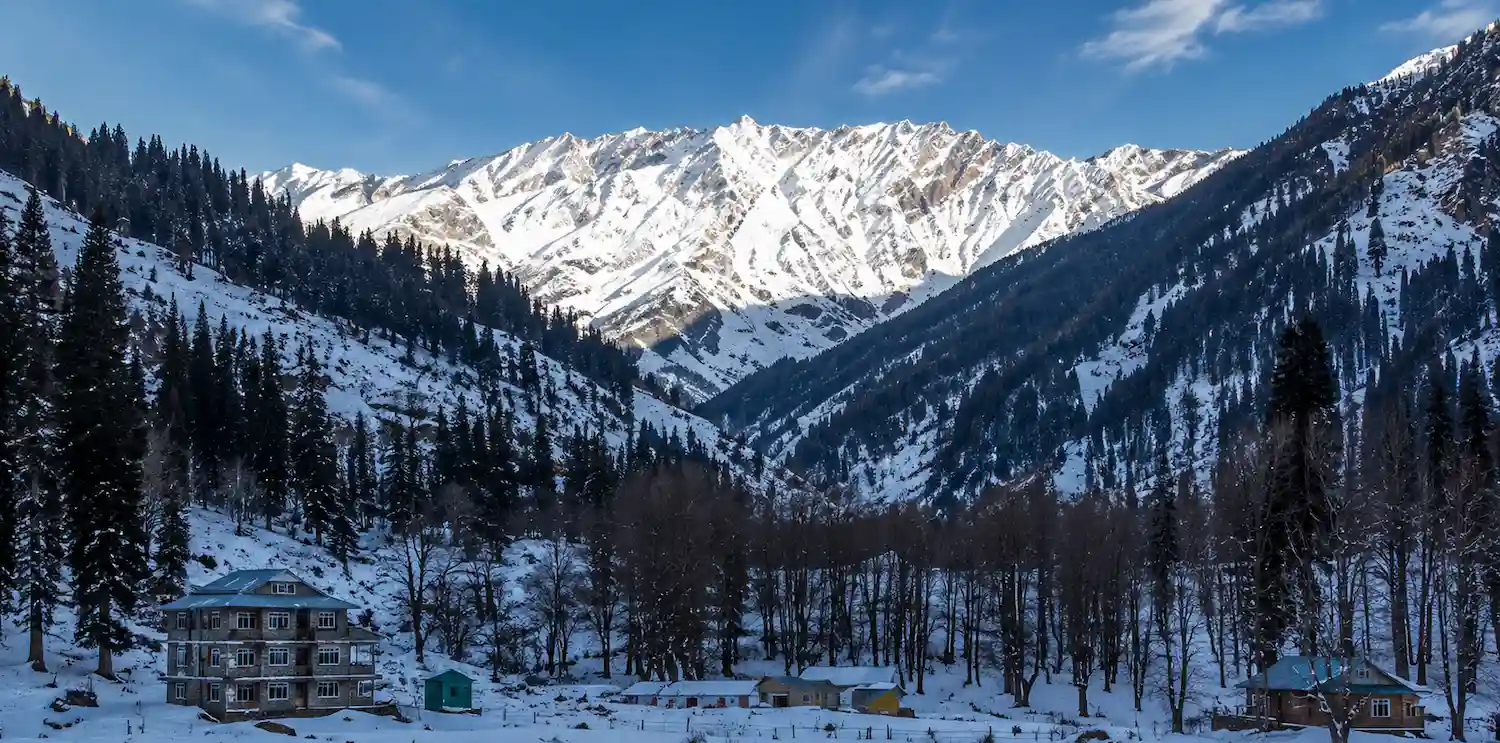
The best time to visit Manali depends on what you want. For snow, come in deep winter, roughly late December to February. For pleasant weather, flowers and family sightseeing, March to June is ideal. October to early December is a quieter, good-value shoulder. The honest catch: Manali town itself rarely gets reliable snow, so for snow you head up to Solang or through the Atal Tunnel.
Manali gets misjudged more than almost any Indian hill station, because people arrive expecting one thing and the season delivers another, snow seekers in summer, sun seekers in a January whiteout. The fix is to match the month to your goal. This guide breaks the year down honestly, snow, weather, crowds and value, so you arrive with the right expectations and the right packing.
When is the best time for snow in Manali?
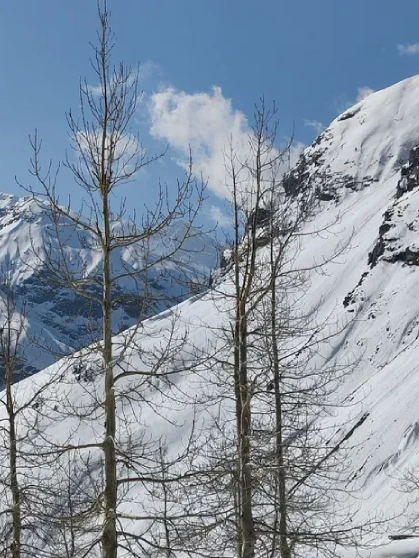
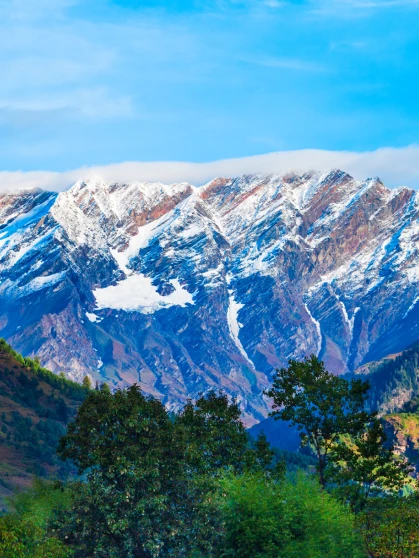
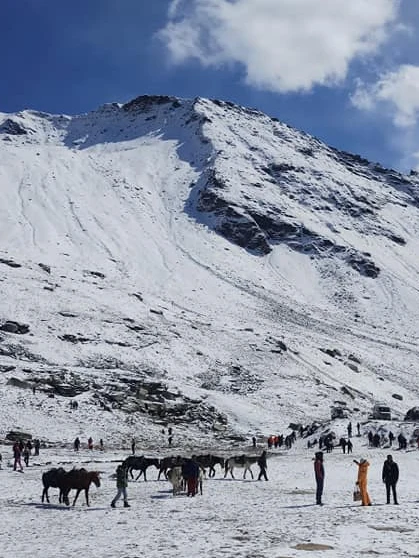
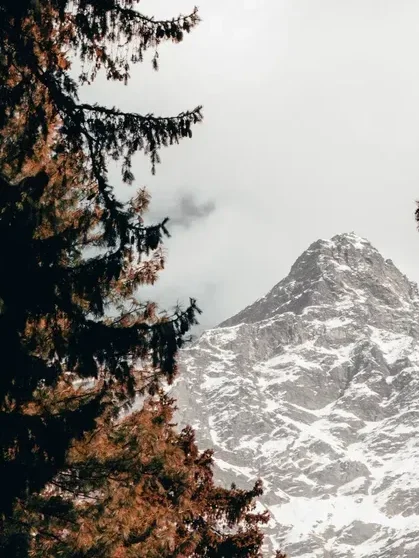
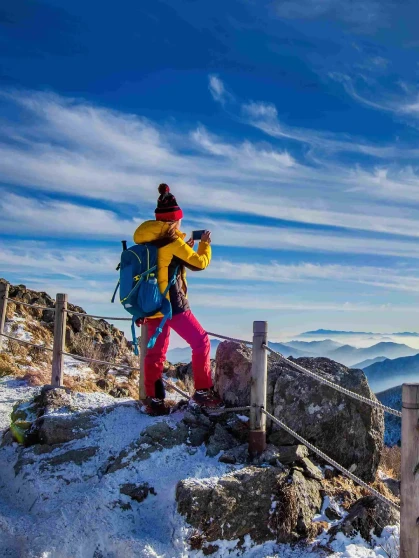
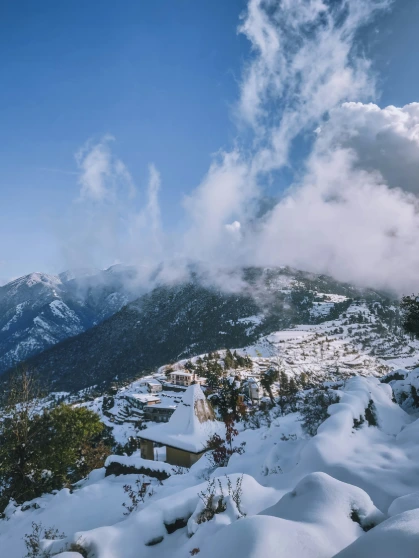
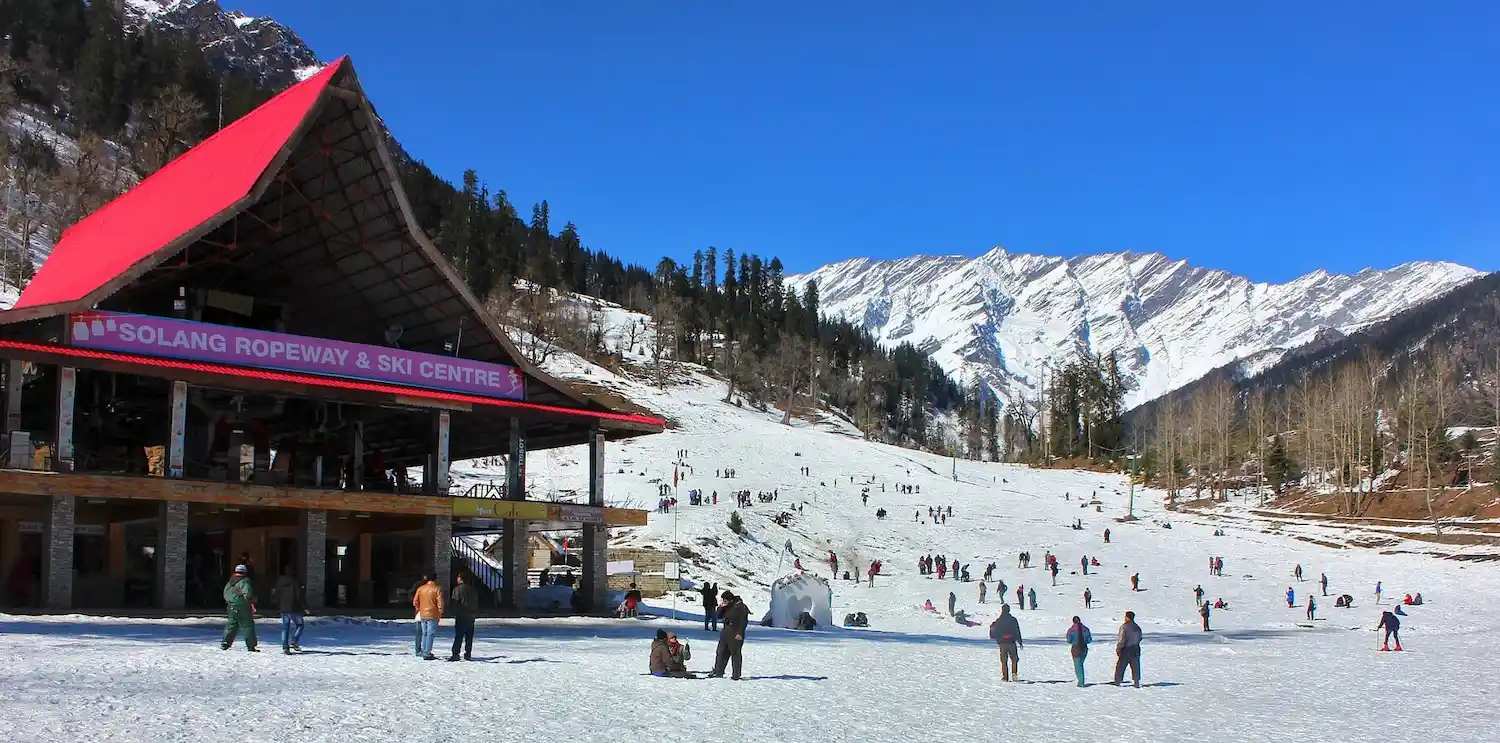
For reliable snow, visit Manali in deep winter, roughly late December to February, when the higher areas like Solang Valley and the route to the Atal Tunnel see fresh snow. The honest point is that Manali town itself, at a lower altitude, often has little or no lying snow even in winter, so for snow play you drive up to Solang or beyond.
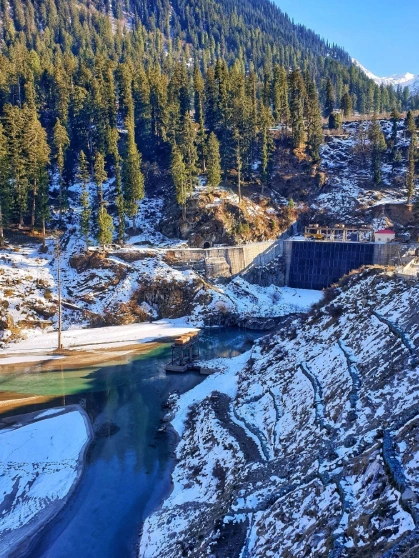
Snow is the number one reason people come, and getting it right means managing the altitude truth. The deep winter months, broadly late December through February, are when the region reliably sees snow, with fresh falls on the higher slopes and a real chance of snow play. But here is what travel ads gloss over: Manali town sits lower in the valley and frequently has only patchy snow or none at all, even when the season is in full swing. The snow is up high, so families chasing it drive up to Solang Valley, about 14 kilometres away, or head towards the Atal Tunnel, where the higher altitude and the Lahaul side hold snow far more reliably. So if snow is the goal, come in deep winter and plan to go up for it rather than expecting it on your hotel doorstep. Pack proper warm layers, waterproof shoes and gloves, and check road conditions, as heavy snow can briefly block routes. To plan a winter stay, you can check rooms at The Orchid Manali.
The best weather and family season
For pleasant weather and family sightseeing, March to June is the best time to visit Manali, with mild days, blossoms and open high-altitude roads like Rohtang and the Atal Tunnel. It is the peak family season, so it is busy and pricier, especially in the May to June school-holiday window, but the weather and access are at their best.
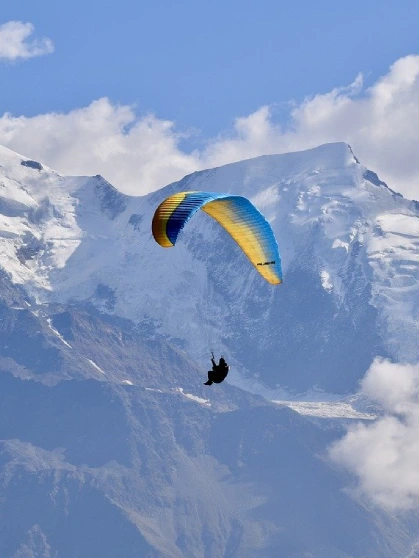
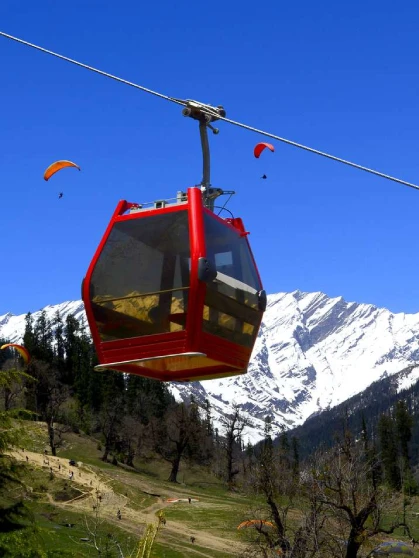
If your trip is about comfortable weather rather than snow, the spring and early summer months win. From March the valley warms and blooms, and by April to June the days are mild and bright, ideal for sightseeing, riverside walks and outdoor activities, and crucially the high passes open up as the winter snow clears, so Rohtang Pass and the drive over to the Lahaul side become accessible. This is the classic family season, which is exactly why it is also the busiest and most expensive, peaking in the May to June school summer holidays when much of north India heads to the hills, so book well ahead and expect crowds at the popular spots. The trade-off is real: you get the best weather and the fullest access, but you share it. An honest note for parents, do not promise children snow in summer, as Solang and the town will be green by then, the snow having retreated to the highest reaches. For the wider picture, read our complete guide to things to do in Manali.
The quiet shoulder months and the monsoon
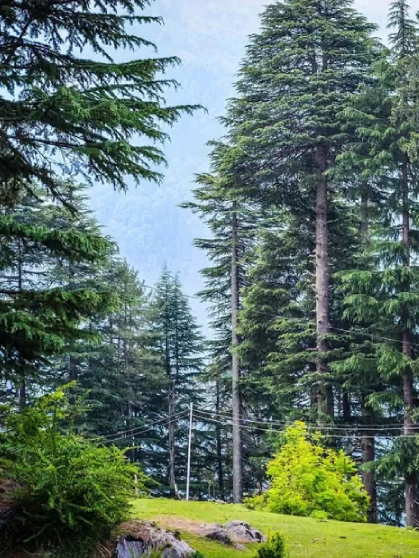
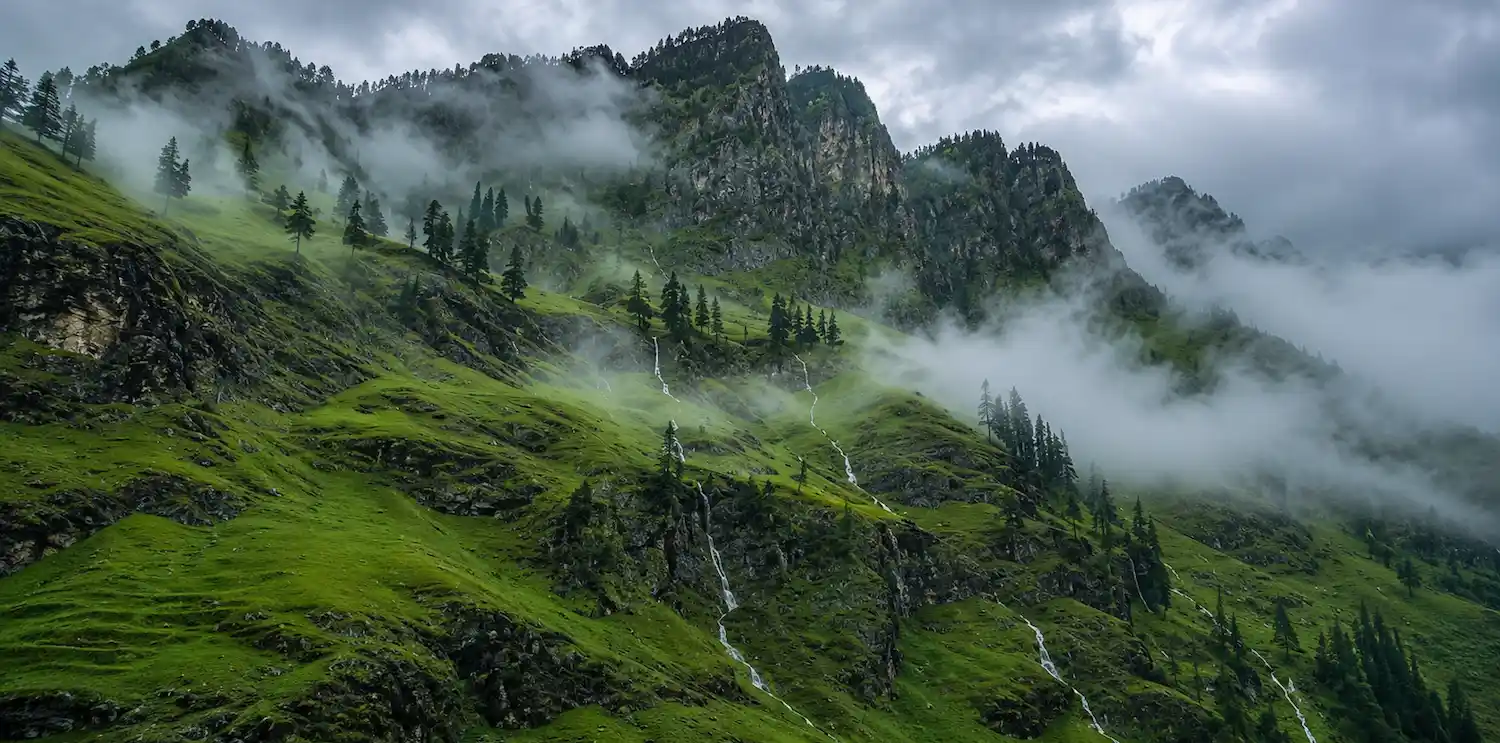
October to early December is a quiet, good-value shoulder season in Manali, with crisp clear weather, autumn colour and thinner crowds, though the high passes start closing as winter approaches. Avoid the monsoon, roughly July to September, when heavy rain raises the real risk of landslides and road blocks on the mountain routes.
Two windows are worth understanding for value and for safety. The autumn shoulder, October into early December, is a quiet, rewarding time: the weather is crisp and clear, the crowds have thinned after the summer rush, the autumn colour is lovely, and rates soften, so if budget matters and guaranteed snow does not, this is often the sweet spot. The catch is that the highest passes begin to close as winter sets in, so check what is open. The monsoon, roughly July to September, is the season to approach with caution: the rain brings out the greenery but also raises a genuine risk of landslides, flash floods and road blockages on the winding mountain routes to and around Manali, which can disrupt or delay travel. If you do come in the monsoon, build in buffer time, follow weather and road advisories, and keep plans flexible. Knowing these two seasons helps you either grab a quiet-season bargain or steer clear of monsoon disruption.
How to reach Manali and plan by season
Manali is about 530 kilometres from Delhi, usually reached by an overnight drive or Volvo bus, or by flying to Kullu-Manali Airport at Bhuntar about 50 kilometres away. In winter, allow extra time and check road conditions for snow; in the monsoon, allow for possible landslide delays. A valley base lets you drive up for snow as needed.
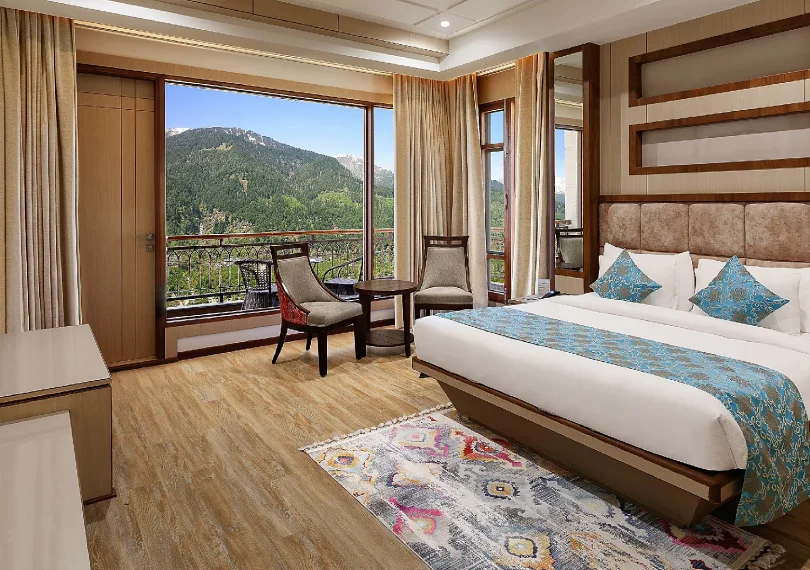
Getting to Manali and timing it go together. Most travellers come from Delhi, about 530 kilometres away, by an overnight drive or the popular Volvo buses, or via Chandigarh with a long onward mountain drive of several hours. Flying to Kullu-Manali Airport at Bhuntar, about 50 kilometres south, is quicker but flights are limited and weather-dependent. The season shapes the journey: in deep winter, allow extra travel time and check for snow on the higher stretches, which can briefly slow or block roads, while in the monsoon you should budget for possible landslide delays on the mountain routes. Whatever the season, basing in the valley lets you settle in and then drive up to Solang or towards the Atal Tunnel for snow or high-altitude scenery as the day and conditions allow. A comfortable valley-view base makes the trip, whatever month you choose. To set up your stay, you can book your Manali stay directly.
Offers and discounts
For a Manali stay in any season, book The Orchid Manali direct for the best rate. As part of the Orchid Hotels group, it is covered by Orchid Rewards, giving members up to 30 percent off direct bookings, applied automatically with no promo code. Booking direct also avoids travel-site commissions, and the shoulder months offer the best value.
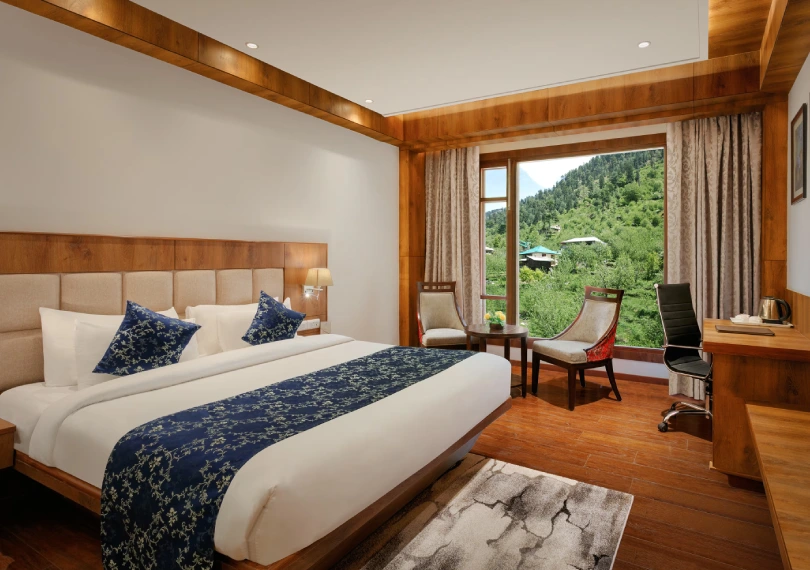
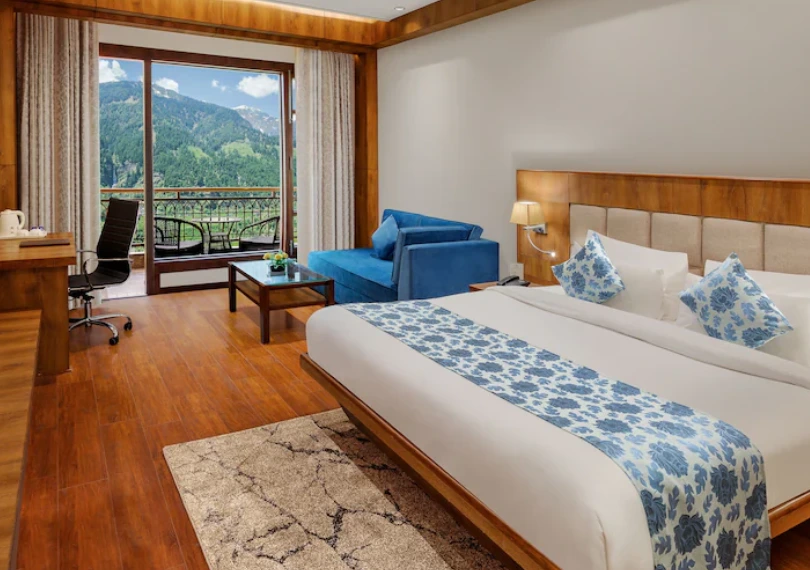
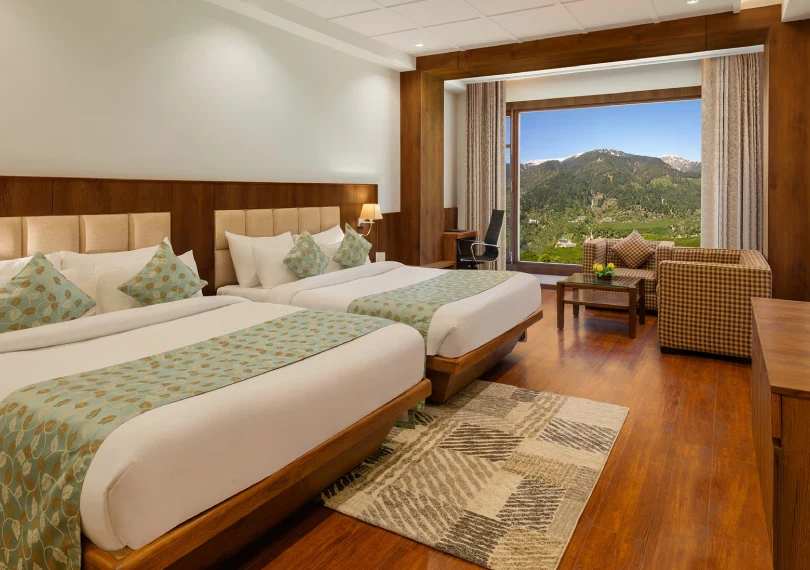
The value advice is to book directly. The Orchid Manali is part of the Orchid Hotels group, so the Orchid Rewards programme applies, giving members up to 30 percent off direct bookings, applied automatically with no coupon to enter, and joining is free. Booking direct also keeps you clear of travel-site commissions and opens up any seasonal package. On timing for value: the autumn shoulder and the quieter winter weeks are the best-value windows, while the March to June family peak, especially the summer holidays, is the priciest and fills early, so book well ahead for those. A valley-view room with a balcony, plus the on-site Cafe Vindhyas restaurant and a pool, makes a comfortable base whatever the season. To get the member rate, you can book your Manali stay direct.
Match the month to your goal, snow in deep winter, weather in spring, value in autumn, and Manali rewards you.
Wondering what to do once you reach Manali? I’ve got you covered! Check out this insider’s guide to making the most of your valley adventure. Things to Do in Manali: A Local Guide to the Valley
FAQs
For reliable snow, visit in deep winter, roughly late December to February, but go up to Solang Valley or towards the Atal Tunnel for it, since Manali town itself, at a lower altitude, often has little or no lying snow even in winter. Do not expect guaranteed snow in summer.
March to June, for mild, pleasant weather, blossoms and open high-altitude roads, ideal for family sightseeing. It is the busiest and priciest season, peaking in the May to June school holidays, so book well ahead and expect crowds at popular spots.
Generally no. The monsoon, roughly July to September, brings heavy rain and a real risk of landslides and road blocks on the mountain routes, which can disrupt travel. If you go, build in buffer time, follow road advisories and keep plans flexible.
Manali town often gets only patchy snow or none even in winter, because it sits lower in the valley. For reliable snow play you drive up to Solang Valley, about 14 kilometres away, or towards the Atal Tunnel, where the higher altitude holds snow far more dependably.
The autumn shoulder from October to early December and the quieter winter weeks tend to offer the best value, with thinner crowds and softer rates. The March to June family peak is the most expensive, so booking direct and ahead helps on price. To get the best rates, check Orchid Manali offers.

Contact Us
With a 95 years legacy of exceptional hospitality, Orchid Hotel invites you to connect with us. For inquiries regarding reservations, events, corporate partnerships, or media relations, please use the contact details below. Our team is committed to providing prompt and personalized assistance, ensuring your experience with our eco-conscious hotels is seamless and memorable.
Related Posts